
Timeline
Post a school or career update — it shows up below, grouped by month, newest first.
July 2026
-
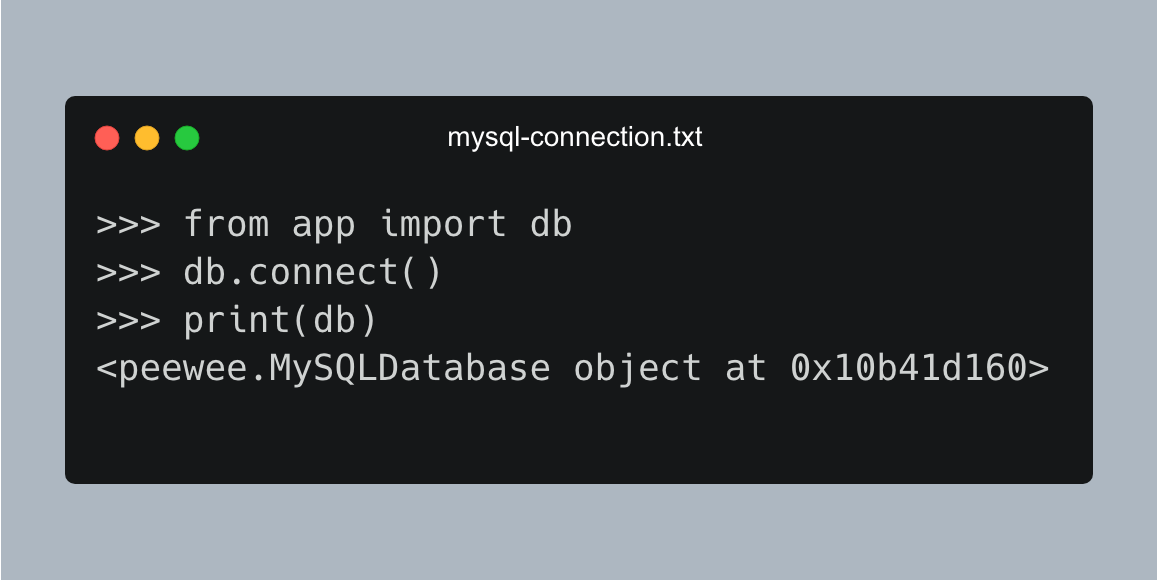
Week 4 of the fellowship, the week of July 9, 2026, I added a MySQL-backed timeline to this site, the one you're reading right now. Then I installed and hardened MySQL myself on the VPS: scoped grants, no anonymous accounts, a real generated root password instead of leaving it open on a box that faces the internet. I also caught a connection-lifecycle bug before it hit anyone. The app was holding one MySQL connection open for the process's whole life, and MySQL silently kills that after eight hours idle, so I switched to connecting per request instead.
-
On July 4, 2026 I debugged a real performance problem on a client site, on an actual low-tier Android phone over USB. Scroll had dropped to 11.5fps with multi-second frozen frames. Chrome DevTools traced it to full-canvas SVG grain filters forcing a full GPU re-render on every scroll-driven zoom. I swapped the grain layers for WebP bitmaps and moved the zoom onto the compositor, and the same phone went from 11.5fps to about 40.
-
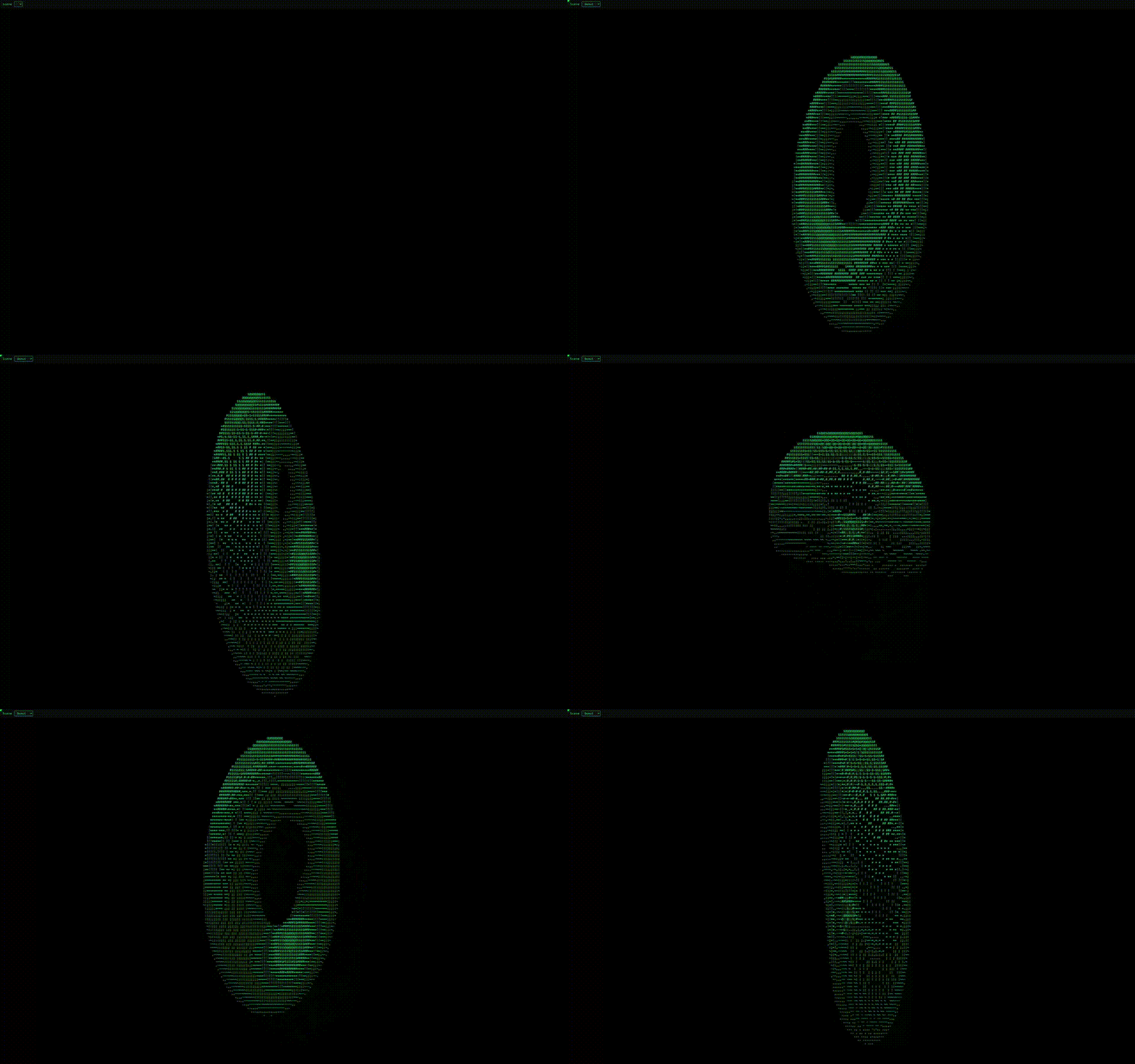
Between late June and July 1, 2026 I rewrote ascii-arcade's roughly 1,800-line rendering engine from Swift into Rust so it could run natively as a live wallpaper on Windows, Linux, and macOS instead of just macOS. I confirmed DOOM rendering through the terminal emulation layer on real Linux hardware, not just in a VM. Then I shipped Live Photo export for iOS after finding out Apple has no public API for animated wallpapers, so I worked around it the way every "video wallpaper" App Store app does: pairing a still frame with a short clip under one shared identifier.
June 2026
-
I merged my third real open-source contribution on June 21, 2026, a `glab variable import` command for gitlab-org/cli, which closed out a rule I set for myself after the first one. No more drive-by API patches. Every contribution now gets a local checkout, a full test suite run, and real docs written for it.
-
June 17, 2026 was the kickoff of the MLH x Meta Production Engineering Fellowship. Week 1 was standing up this portfolio site itself: Flask, Jinja, a real CI pipeline, and enough contributor docs that I could hand the repo to someone else and have it make sense.
-
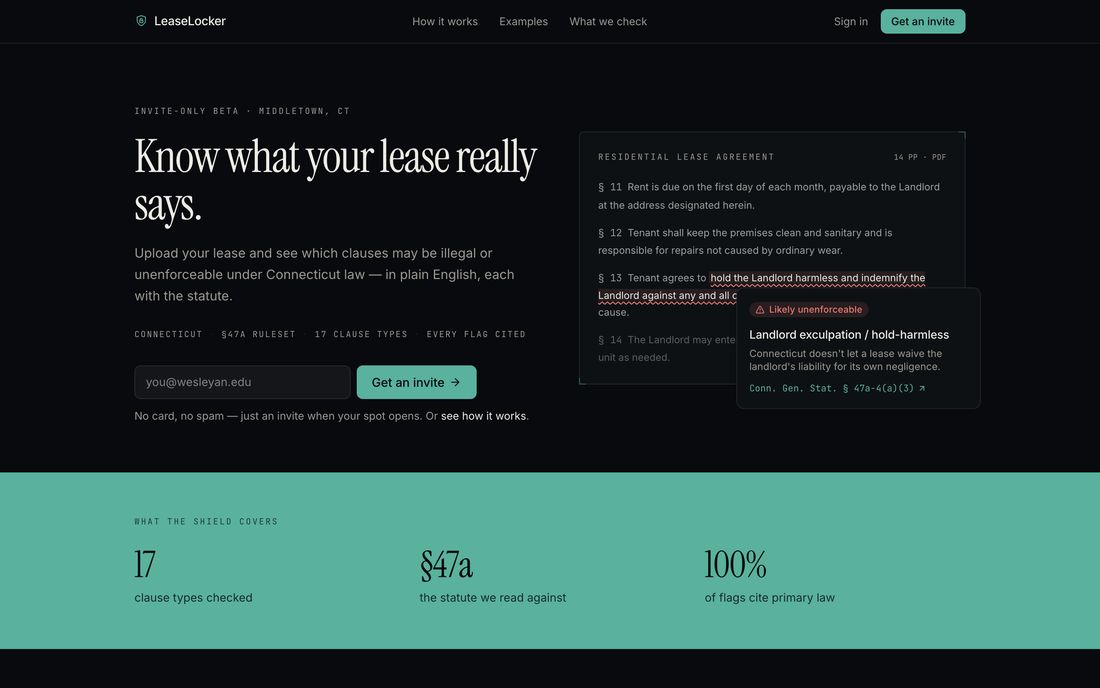
On June 11, 2026 I found a real bug in LeaseLookout before a user could. The lease review engine was returning a clean "0 flags" result on a lease from outside the jurisdiction it actually covers, which reads exactly like a real all clear to someone renting an apartment. I fixed it the same day by adding a scope detection layer, so an absence of flags can never quietly mean we didn't actually check.
May 2026
-
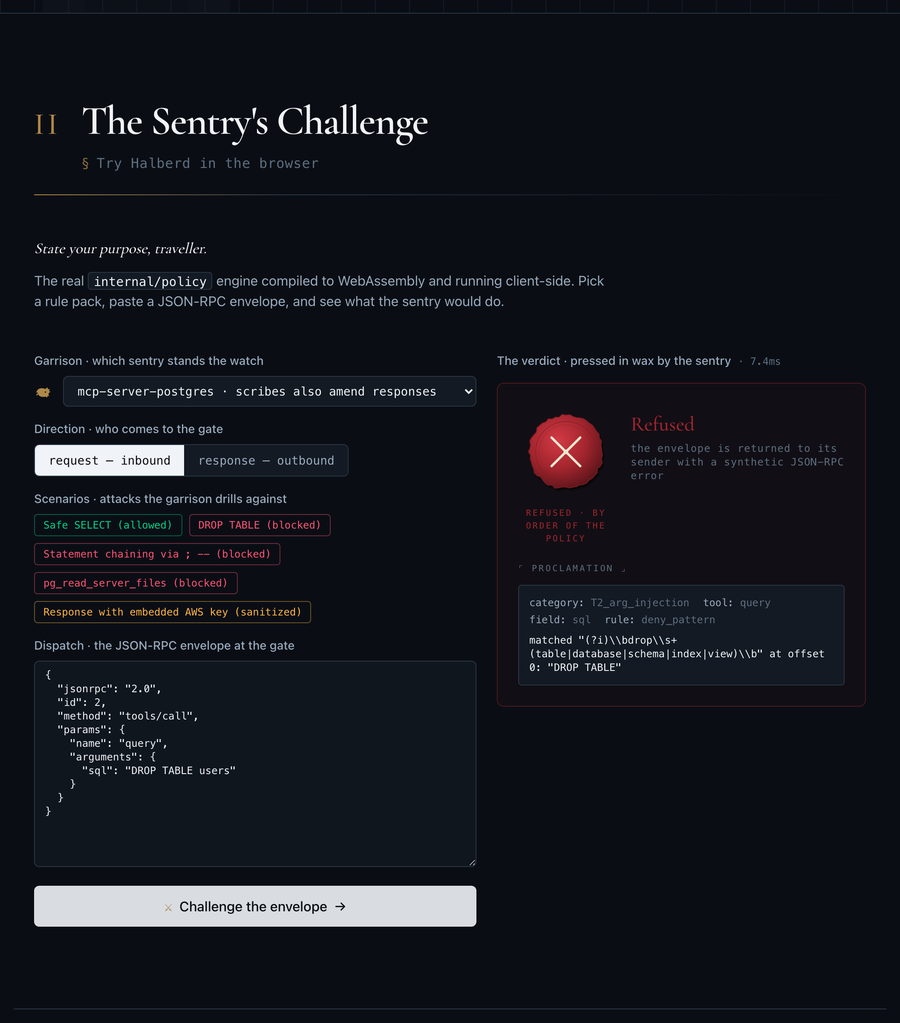
The week of May 25, 2026 I shipped two different tools back to back. Halberd is a JSON-RPC firewall in Go that sits between an LLM and its MCP servers and blocks tool-call injection and secret leakage before it reaches the host; v0.1 landed with 60+ tests. Quarry is a bare-metal MEV arbitrage bot built around a 188-byte hand-written Yul contract, tested against real mainnet-forked Uniswap pools, where predicted and realized profit matched 99.89% of the time.
-
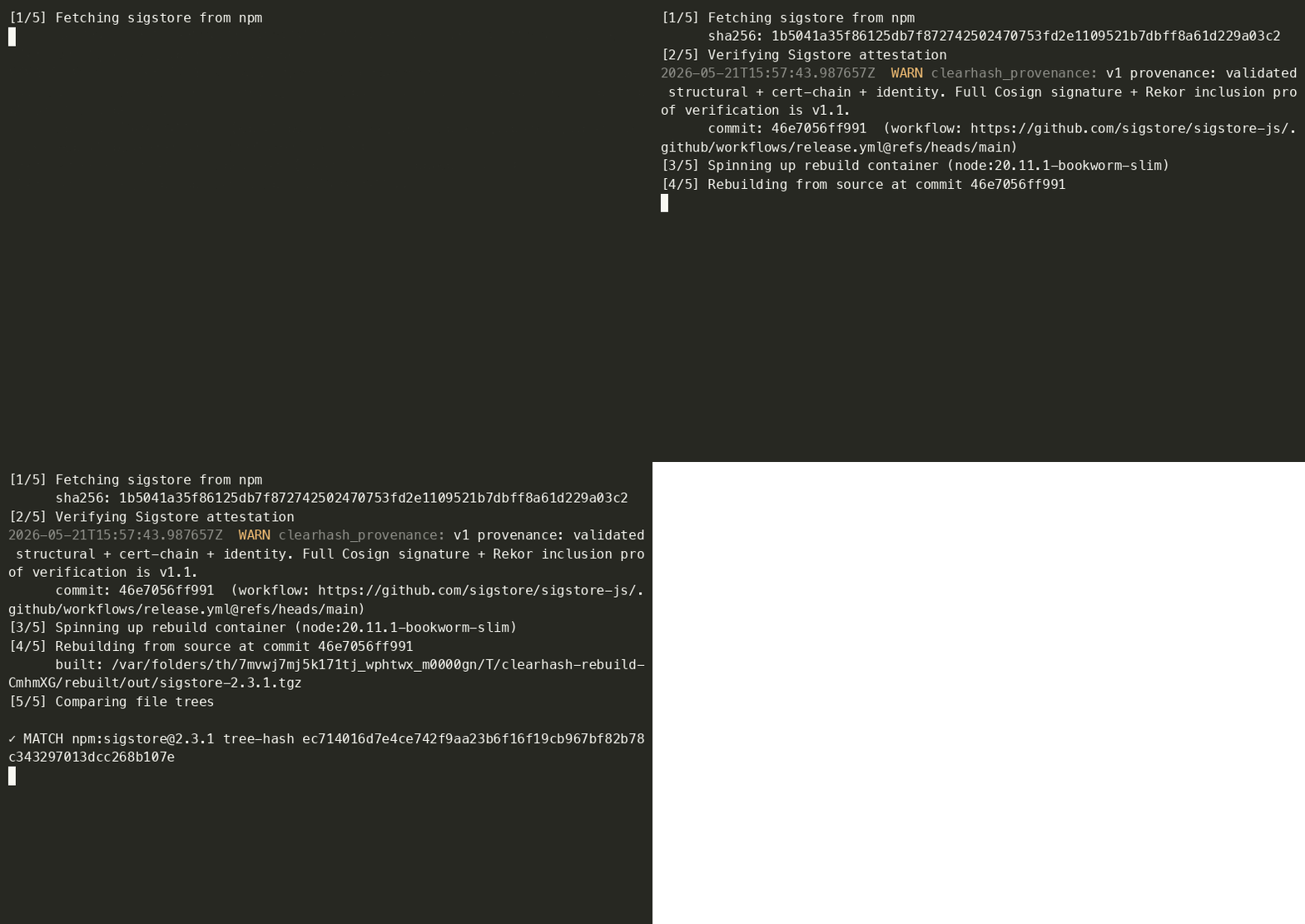
I shipped ClearHash on May 21, 2026: a Rust CLI that checks whether a published package actually matches its source. It pulls the SLSA attestation via Sigstore and Rekor, rebuilds the package from source inside Docker, and diffs the rebuild byte for byte against what's published. I verified it end to end against a real package, npm's sigstore@2.3.1, before calling it done.
-

On May 9, 2026 I got the OCaml limit order book down to zero allocations on the matching engine's hot path at 1M order scale, down from about 16 bytes per order. Throughput landed at 38 million matches per second with p99 latency at 0.95 microseconds. This is the project I keep coming back to whenever I want to know if I actually understand where time goes in a program.
April 2026
-
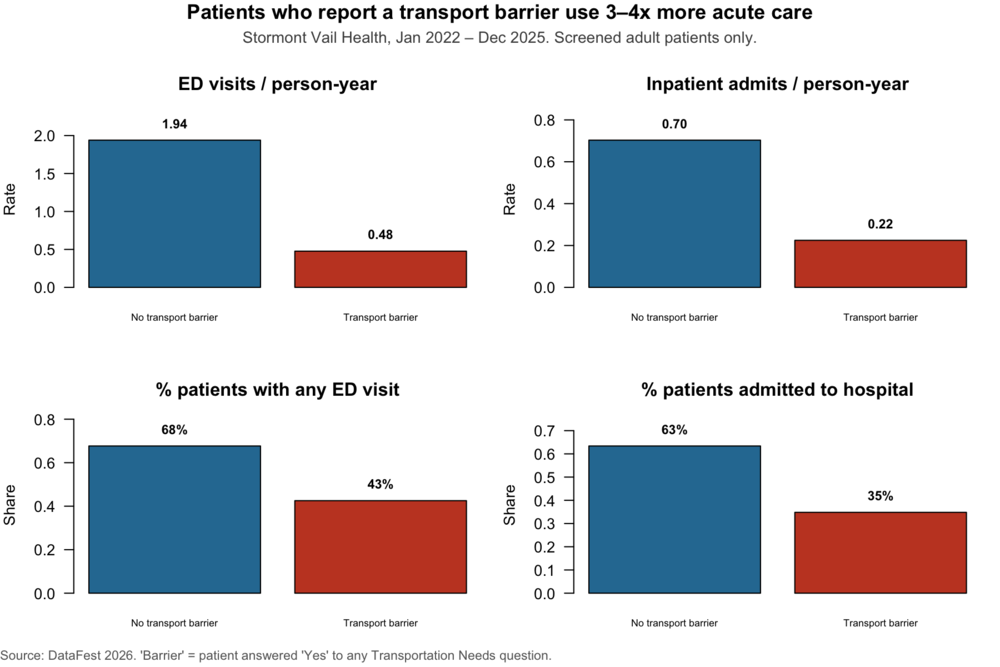
Wesleyan ran DataFest the weekend of April 19, 2026, and my team dug into a healthcare access dataset. We found emergency department visits were roughly four times higher for patients facing a transport barrier than for those without one (1.94 vs 0.48 visits per person year, n=58,639). What made it a real finding instead of a fluke: barrier patients were actually younger on average, which rules out age as the obvious confounder, and the effect held (OR 3.17) after adjusting for it.
-
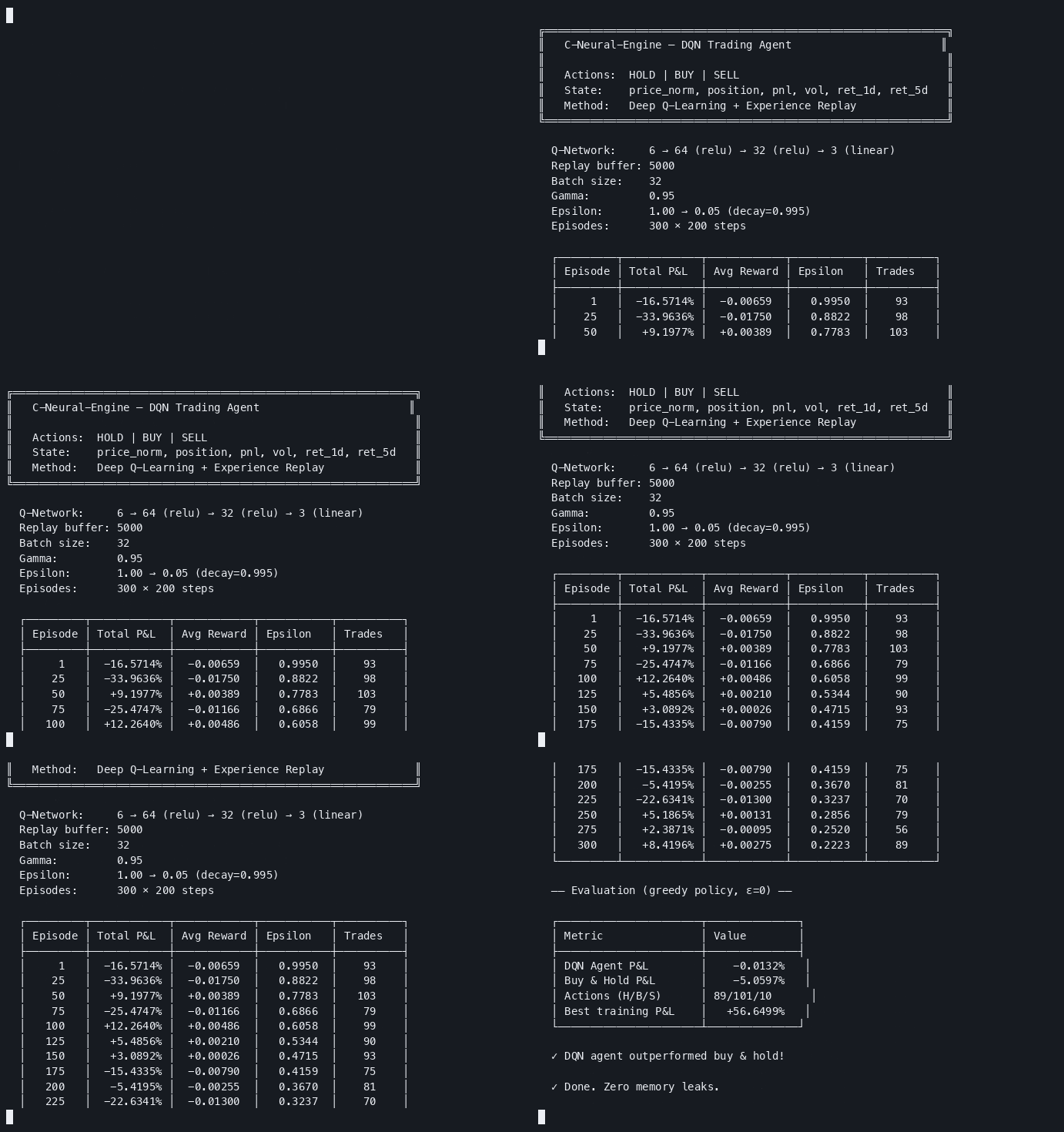
On April 6, 2026 I built qforge, a small ML framework in plain C99, in a single day: tensors, activations, loss functions, dense layers, SGD with momentum, and four working demos including a DQN trading agent. About 2,000 lines, test first, zero third-party dependencies. Most of what a framework "needs" turns out to be optional once you're willing to write the matrix math yourself.
December 2025
-
By December 2025 I was building MetaHelper backend first: a FastAPI service that takes a photo, runs it through Gemini Vision, and speaks the explanation back with edge-tts, before I'd touched the Ray-Ban glasses integration at all. Midway through I changed one line in the vision prompt, from "describe this image" to "explain this like a CS tutor, with emphasis on C programming," and the whole project quietly turned from a vision toy into something closer to a tutor you can point at a whiteboard.
April 2025
-
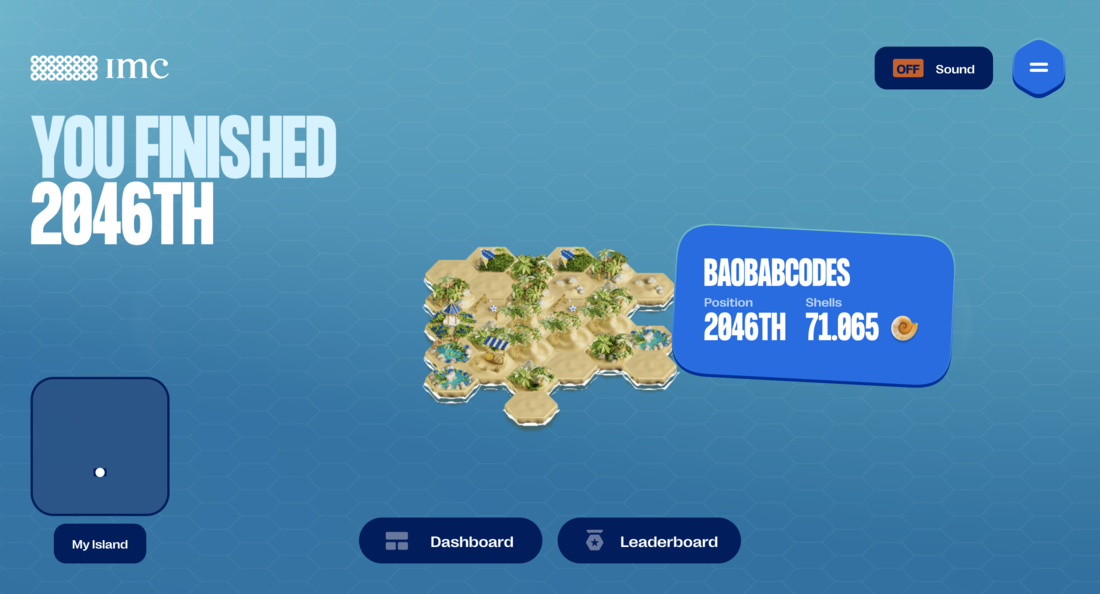
I spent April 2025 in IMC Prosperity 4, an algorithmic trading competition, writing market makers for a few different products (Rainforest Resin, Kelp, Squid Ink) and then basket arbitrage and signal-driven strategies as the products got stranger each round. Watching your own strategy lose money in a backtest teaches you what "edge" actually means faster than any lecture does.
December 2024
-
In December 2024 I put up my first real portfolio site: hand-written HTML, CSS, and vanilla JS, no framework. It had a project carousel, a dark-mode toggle that hue-rotates its own icon, and a favicon I actually designed instead of grabbing a stock one. It's been torn down and rebuilt twice since then, but this was the version that got me comfortable putting my work in front of strangers.